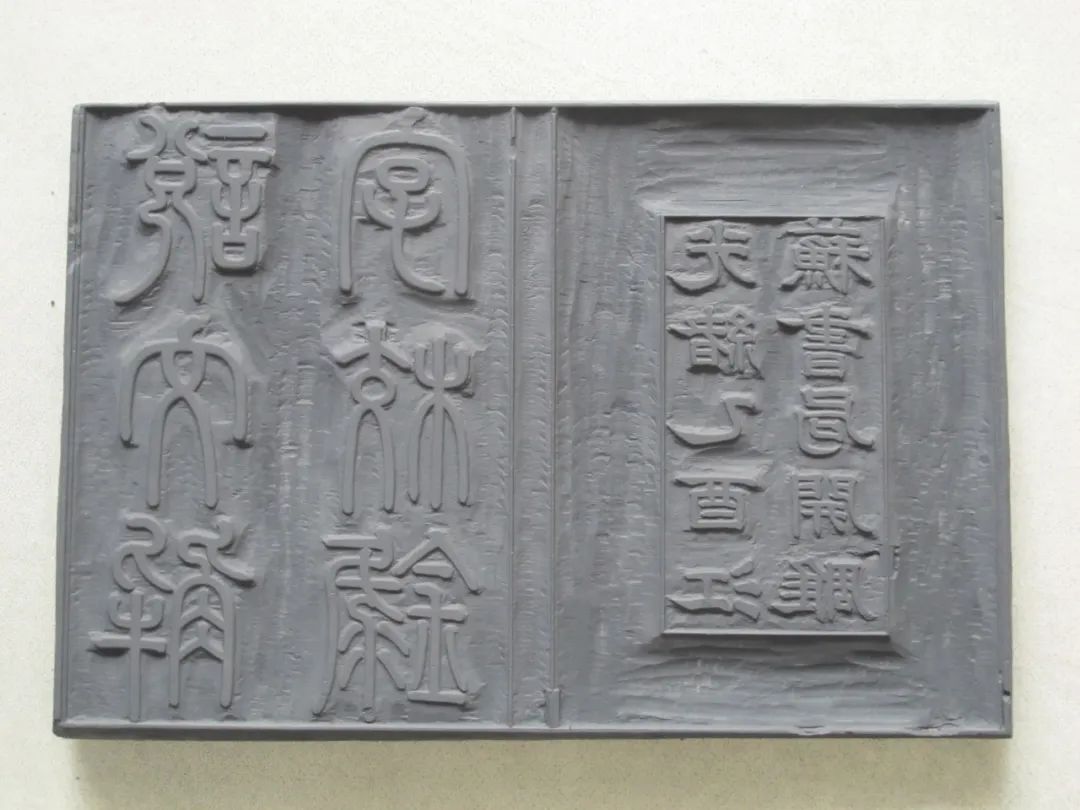
Chinese Woodblock Printing
Introduction
Chinese woodblock printing is a traditional art form that has played a significant role in China's cultural and historical development. Originating during the Tang Dynasty (618–907), this technique reached its peak during the Ming Dynasty (1368–1644). It was included in UNESCO's Lists of Intangible Cultural Heritage in 2009.
The process involves carving text or images onto a wooden block, inking the carved surface, and pressing it onto paper or fabric to create prints. Although largely supplanted by modern printing methods, woodblock printing remains a revered form of traditional art, requiring great skill, patience and dedication.
History
The origins of woodblock printing in China date back to the Tang Dynasty, a period known for its artistic and cultural advancements. As a significant development in printing technology, woodblock printing allowed for the mass production of texts and images, facilitating the spread of literature and religious texts throughout the country. The technique became particularly popular during the Ming Dynasty, where it was not only employed for books but also used to create detailed and colorful prints that captured the traditional Chinese aesthetic.
Techniques and Materials
The traditional technique of woodblock printing involves several intricate steps. Typically, craftsmen use the wood from wild pear trees, which is known for its durability and resistance to insects. The wood is soaked for an extended period to remove resins and sugars, making it easier to carve. Once dry, a thin paste is applied to the wood, and a manuscript page is adhered to it, face down. Craftsmen carefully carve out the characters or images using a variety of knives, each requiring precision and skill.
In the printing process, ink is applied to the block, and then it is pressed onto paper or fabric. The result is a detailed print that captures the intricacies of the original carving. Traditional rice paper is often used, and the room is filled with the scent of Chinese ink as the prints are made.
Cultural Significance
Chinese woodblock printing has greatly contributed to the preservation and dissemination of Chinese culture and literature. The prints are revered for their aesthetic beauty and are often seen as a "living fossil" of printing heritage.
The art form is also closely linked to the cultural identity of various regions in China, where it is practiced as a traditional craft. Cities like Yangzhou and Hangzhou are known for their contributions to the art of woodblock printing, with museums and exhibitions dedicated to showcasing the heritage and craftsmanship involved.
Contemporary Preservation
Despite the dominance of modern printing technologies, there is a growing effort to preserve and revitalize traditional Chinese woodblock printing. Workshops and exhibitions both in China and internationally are promoting the art form, allowing new generations to experience and appreciate its unique aesthetic and historical value. Master craftsmen, like Chen Yishi of Yangzhou, continue to pass down their skills to younger artisans, ensuring the survival of this ancient craft.
Efforts to integrate woodblock printing into contemporary art have also been made, with modern artists incorporating traditional techniques into their work. This fusion of old and new helps raise awareness and appreciation for woodblock printing in today's global art scene.








